




Price: $109.99
(as of May 03, 2024 11:37:46 UTC – Details)

Product Description

Why Choose our Septree Food Dehydrator Dryer Machine?
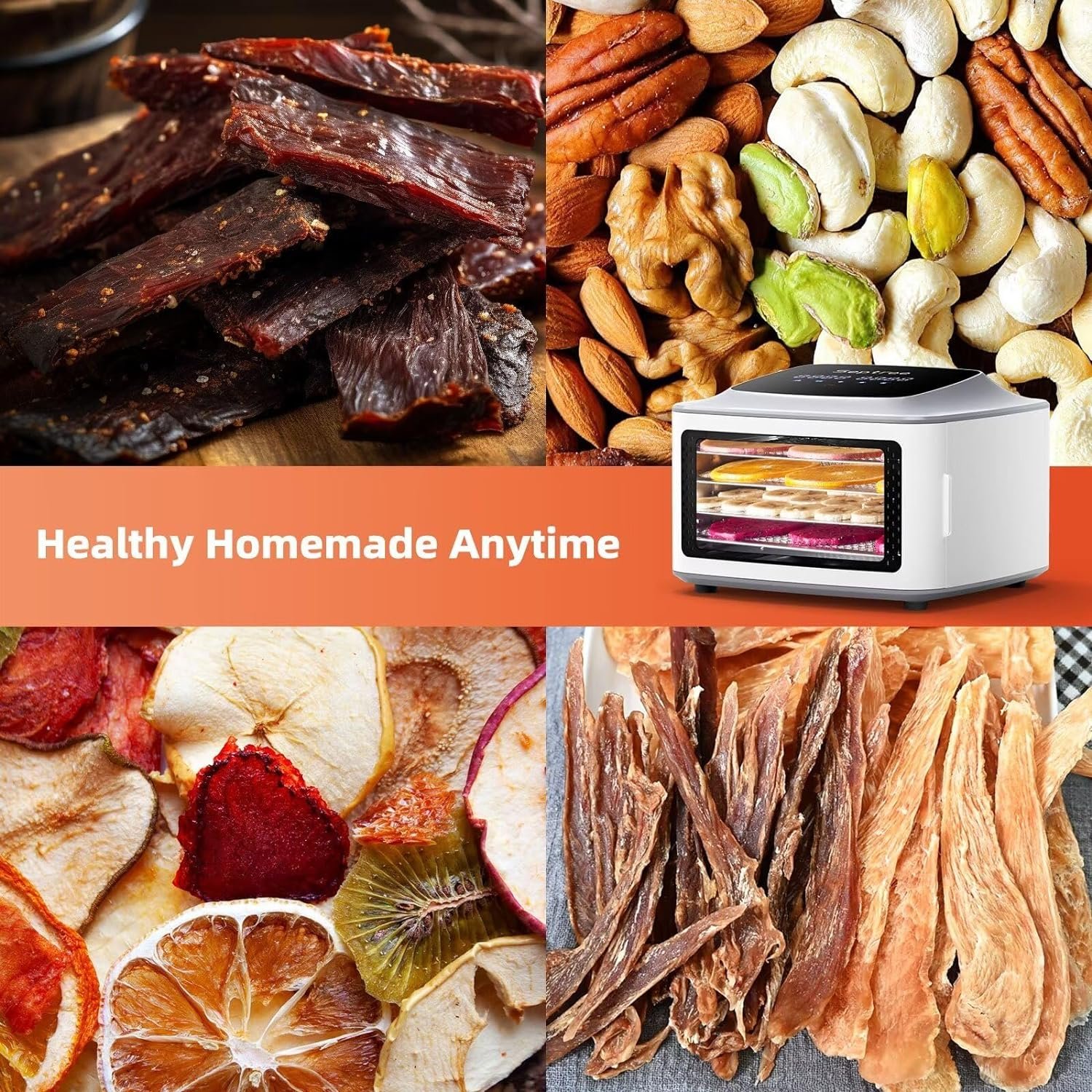
Health and Nutrition: Food dehydrators can remove moisture from food, making it last longer. This can help you save money and ensure that you always have fresh, healthy food to enjoy.Convenience: Food dehydrators are very easy to use. Simply slice your food, place it on the food dehydrator trays, and set the timer. The food dehydrator will do the rest.Multifunctionality: Food dehydrators can be used to dehydrate a variety of foods, including fruits, vegetables, meats, fish, and nuts. You can also use food dehydrators to make snacks, treats, and soups.Energy Efficiency: Food dehydrators are more energy-efficient than baking or boiling food. This can help you save money on your energy bill.Reduce Waste: Food dehydrators can help you reduce food waste. You can dehydrate leftover food and store it for later.
These are just some of the product values of food dehydrators. If you are looking for a healthy, convenient, multifunctional, energy-efficient, and friendly way to preserve food, then a Septree food dehydrator is a good choice.
Our Mission:
We are dedicated to developing products that bring health and convenience to your home life. We deeply believe that the true purpose of technology is to enable more people to experience and enjoy the wonders of this wonderful world. For this reason, we tirelessly pursue innovation, committing to research and development, design, and production of high-quality products.
Our Goal:
Through our efforts, we aim for every family to enjoy a healthier, more convenient, and more comfortable lifestyle. We promise that Septree will consistently uphold the ultimate pursuit of product quality and relentless dedication to your satisfaction. We strive not only to meet our customers’ needs but to exceed their expectations.

How to control the dehydration time and temperature of food dryer?
Controlling the dehydration time and temperature in a food dryer is crucial for achieving optimal drying results. Here are some general guidelines to help you control these parameters:
Refer to the Recipe or Guide: Follow the recommended drying time and temperature guidelines provided in a recipe, food drying guide, or the manufacturer’s instructions specific to your food dryer. These guidelines are often based on the type of food being dried and can serve as a starting point for your drying process.Adjust Temperature Settings: Most food dryers allow you to adjust the temperature setting. Different types of food require different drying temperatures to ensure proper dehydration and food safety. For example, fruits and vegetables are typically dried at lower temperatures (around 130°F to 140°F or 54°C to 60°C) to retain their nutrients, while meats may require higher temperatures (between 160°F to 165°F or 71°C to 74°C) to ensure proper cooking and eliminate any potential bacteria.Monitor Drying Progress: Regularly monitor the drying progress of your food. Check for signs of dehydration such as texture, appearance, and flexibility. The drying time can vary depending on the food type, thickness, moisture content, and the specific model of your food dryer. It’s important to be patient and allow the food to dry thoroughly before considering it fully dehydrated.Adjust Drying Time: If the food is not fully dehydrated within the recommended time, you can extend the drying time incrementally until it reaches the desired level of dryness. Keep in mind that different foods may require different durations for optimal dehydration. Factors such as the size of the food pieces and the moisture content can affect the drying time.Consider Pre-Treatment: Some recipes or food types may require pre-treatment before drying. For example, blanching vegetables in boiling water or dipping fruits in lemon juice can help preserve color and prevent oxidation. Such pre-treatments may impact the overall drying time and temperature requirements, so it’s essential to follow specific instructions if they are provided.Keep a Drying Log: Keeping a record of your drying experiments can be helpful for future reference. Note down the drying time, temperature settings, and any observations you make during the process. This log will assist you in fine-tuning your drying technique and achieving consistent results.
Remember, the specific drying time and temperature can vary depending on the food, the thickness of the slices, and personal preferences. It’s always a good idea to consult reliable resources, such as reputable drying guides or recipes, for specific recommendations tailored to the food items you are drying.

How do I clean my home food dryer?
Cleaning a household food dehydrator is important to ensure hygiene and safety. Here are the general steps to clean a household food dehydrator:
Power off: Before cleaning, make sure the food dehydrator is unplugged to prevent any accidents.Disassemble removable parts: Depending on the design of the food dehydrator, remove the removable parts such as drying trays, mesh screens, and trays. These parts are typically used for placing and drying food.Remove food residue: Gently wash the drying trays, mesh screens, and trays with warm water and a mild detergent to remove food residue and dirt. Avoid using harsh cleaners or brushes that may scratch or damage the surfaces.Clean the interior and exterior: Use a damp cloth or sponge dipped in warm water and a mild detergent to gently wipe the interior and exterior surfaces of the food dehydrator. Be careful not to let water seep into the electrical components.Dry and air out: Use a clean towel or paper towels to dry the drying trays, mesh screens, trays, and the surface of the food dehydrator. Ensure they are completely dry, and then place them in a well-ventilated area to air-dry further.Reassemble: Once all the parts are completely dry, reassemble the drying trays, mesh screens, trays, and any other removable parts.Storage: Before future use, ensure the food dehydrator is completely dry and store it in a dry, clean, and well-ventilated location. Avoid storing it in a damp or enclosed environment to prevent mold or bacterial growth.
Please note that the above steps are general cleaning guidelines, and different models and brands of household food dehydrators may have some variations. Therefore, before cleaning, refer to the product’s user manual and operating instructions for specific cleaning and maintenance recommendations.
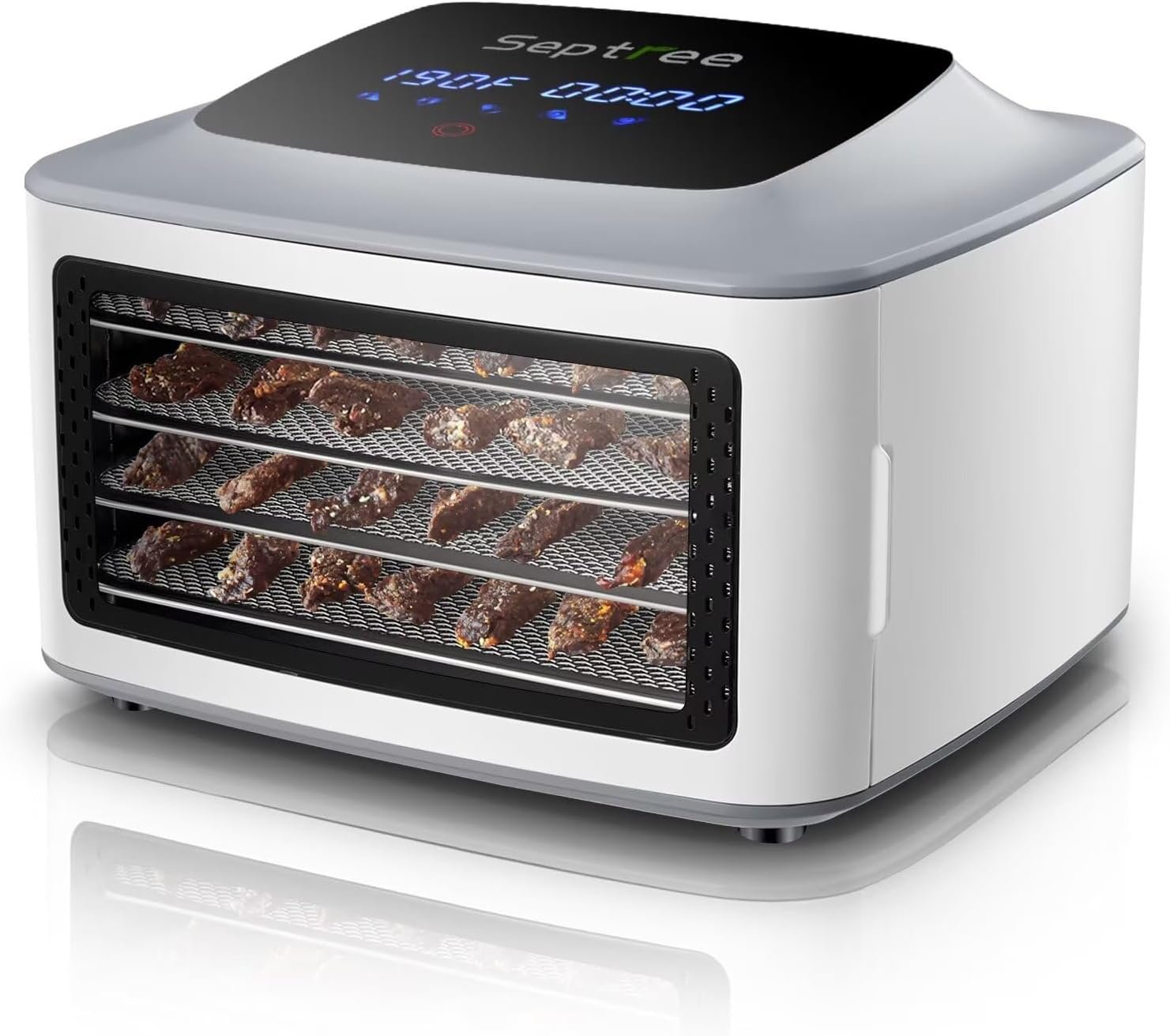
✅【NICE COMPACT SIZE】This 4-layers dehydrator looks sleek and modern, has a small footprint. Small enough to fits easily on kitchen counter, and lightweight enough to store away easily in a lower cupboard, not taking up too much space. Great size for a small family.
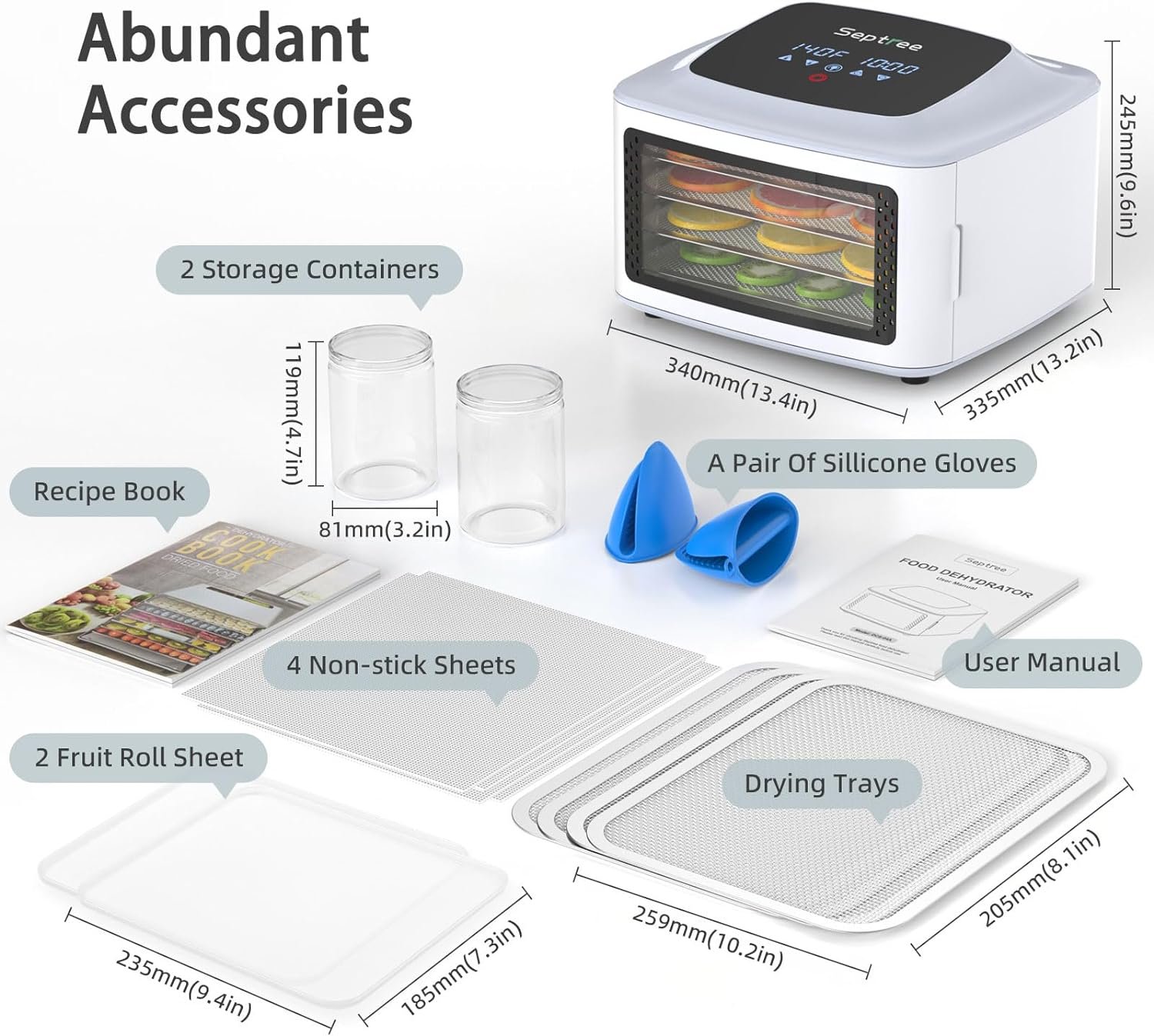
✅【EVEN AIRFLOW CIRCULATION】The little dehydrator uses a fan to circulate hot air from back to front, across the food you have placed on the removable shelves (10.2*8.1in), so all the product is evenly dried, and there’s no need to change trays around. It’s also whisper quiet when running.
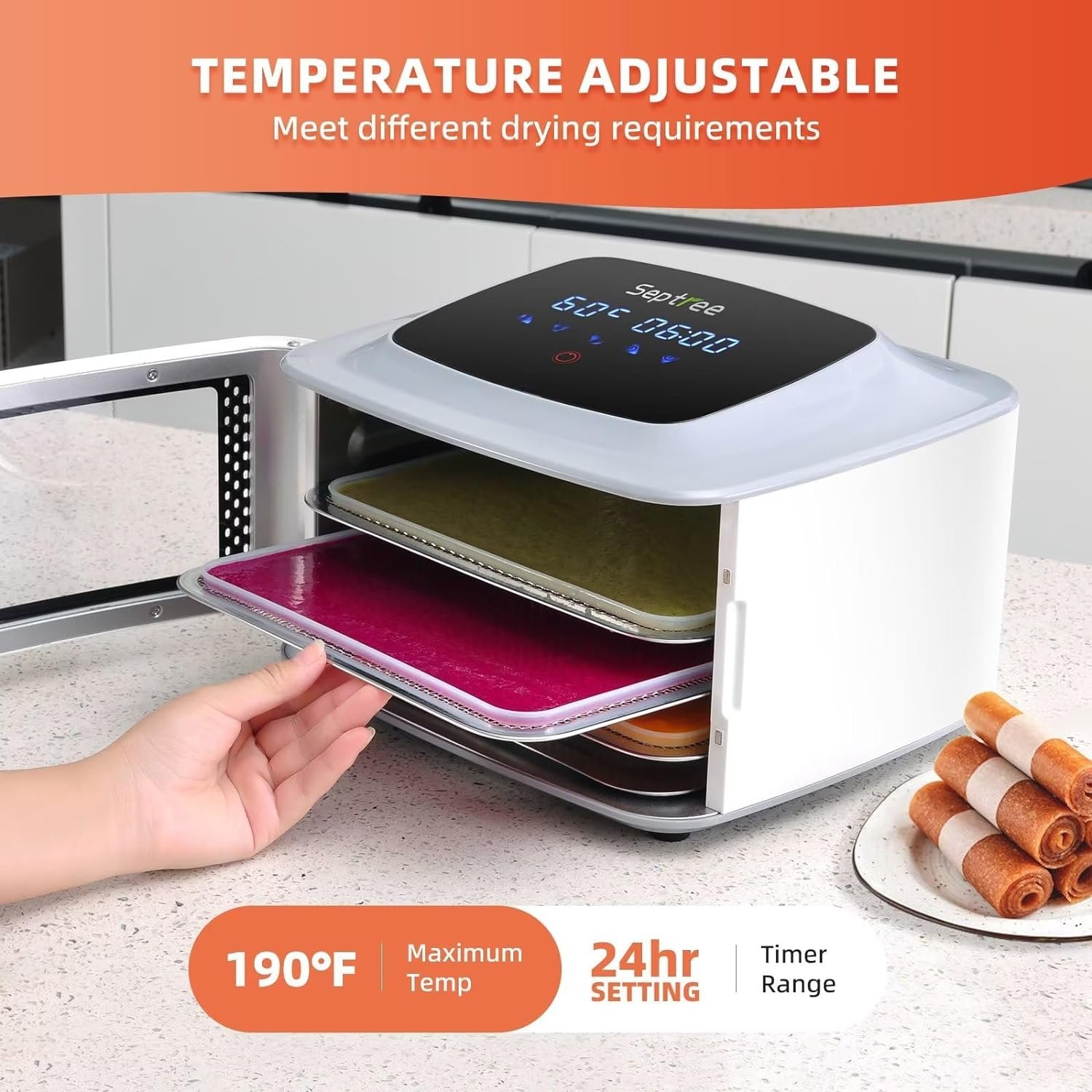
✅【EASY TO USE DIGITAL DISPLAY】The touch menu on top of our food dehydrator is easy to read and controls are simple to adjust the time and temperature ( Excellent temperature range from 70º F to 190º F), it can even remembers previous settings so it is a one-touch to start another batch.
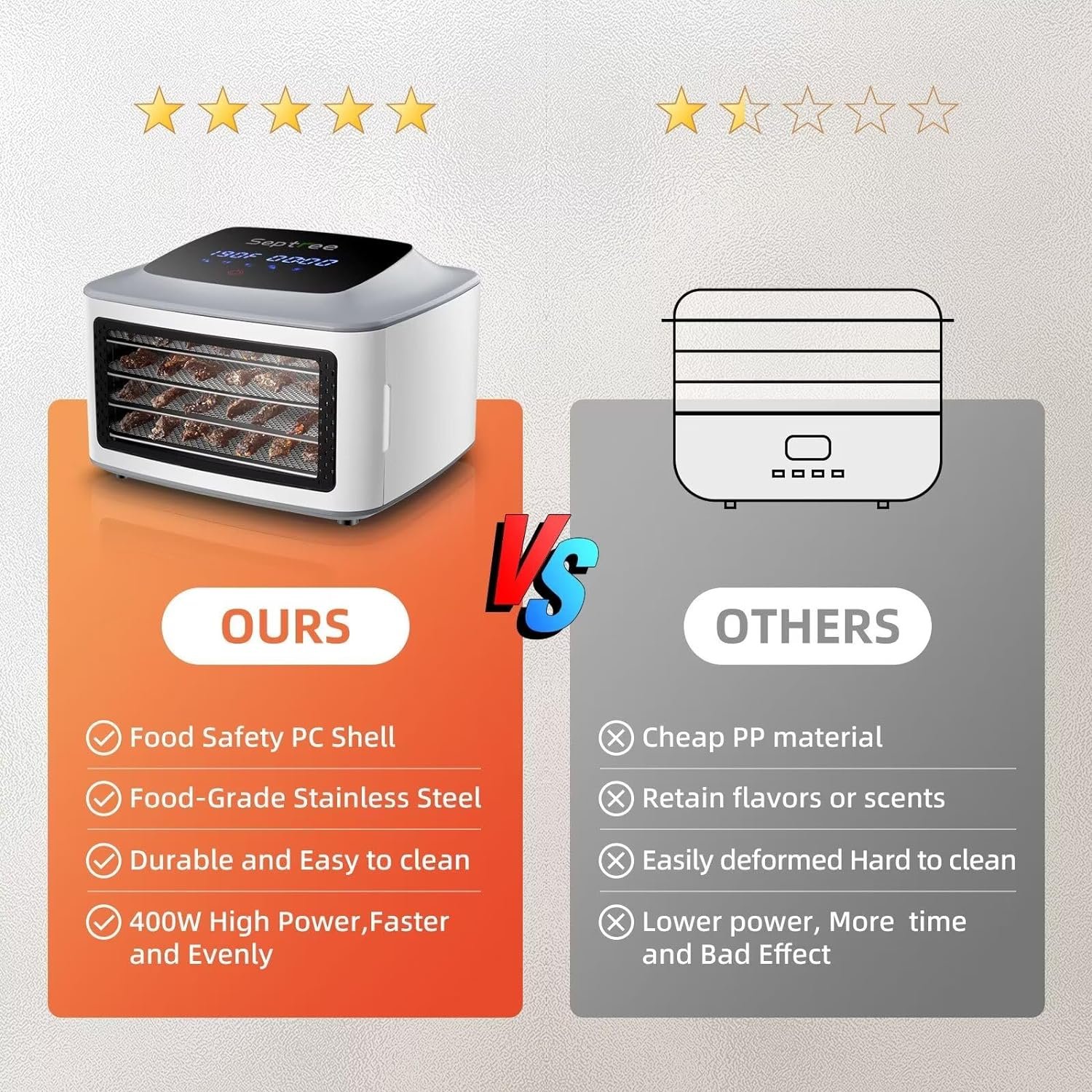
✅【EASY TO CLEAN METAL INTERIOR】Four stainless steel shelves with adequate space between their placement, clean up easily stainless steel interior. Just soak for a little while and like magic it’s ready to do more dehydrating.
✅【GREAT VALUE FOR BEGINNER】This food dehydrator machine Holds 4 layers, which is enough for drying small batches, 4 silicone mats, 2 non-stick Trays, 2 containers and 2 set of silicone glove. Also comes with details for a variety of foods, and thanks to the flexibility to tweak drying times depending on personal preference. It’s fun to experiment. Any fruits, veggies, herbs, etc.


Reviews
There are no reviews yet.